

Best Himalayan Treks for Beginners
Starting your first trek in the Himalayas can feel exciting and a little scary at the same time. Many beginners worry about fitness, safety, or whether they can really handle mountain trails. The good news is that the Himalayas offer several treks that are specially suited for first-time trekkers. These routes are designed with gentle climbs, safe paths, and comfortable camps, making them perfect for beginners.
Himalayan treks for beginners are not about rushing or extreme adventure. They are about enjoying nature, building confidence, and experiencing the mountains at a comfortable pace. With the right trek, basic preparation, and proper guidance, anyone can take their first step into trekking and come back with unforgettable memories and a strong sense of achievement.
What Makes a Trek Beginner-Friendly?
Not every Himalayan trek is suitable for first-time trekkers. Beginner-friendly treks are planned in a way that helps new trekkers feel safe, confident, and comfortable while still enjoying the beauty of the mountains. Here are the key factors that make a trek ideal for beginners.
- Easy and Well-Marked Trails: Beginner treks follow clear paths that are easy to walk on. The trails are well-marked and do not involve risky sections like narrow ridges, technical climbs, or steep rock patches. This allows beginners to focus on walking and enjoying the surroundings without fear.
- Gradual Altitude Gain: A beginner-friendly trek gains height slowly over multiple days. This helps the body adjust naturally and reduces the risk of altitude sickness. Lower and gradual altitude makes the trek safer and less tiring for first-time trekkers.
- Short Daily Walking Distance: Most beginner treks involve walking 3 to 6 km per day. This keeps the trek manageable and prevents extreme exhaustion. Plenty of breaks are included, making the journey relaxed rather than rushed.
- Comfortable and Safe Campsites: Campsites on beginner treks are usually located in open, safe areas with enough space for tents. These camps are easy to reach and offer basic comfort, helping trekkers rest well after a day’s walk.
- Good Support and Guidance: Beginner treks usually have trained guides, support staff, proper meals, and safety equipment. Having experienced people around builds confidence and ensures help is always available if needed.
Together, these factors make beginner-friendly treks a perfect starting point for anyone new to Himalayan trekking.
Best Himalayan Treks for Beginners
Starting your trekking journey in the Himalayas can feel exciting and a little scary at the same time. The good news is that there are many treks specially suited for beginners. These treks have safe trails, gradual climbs, comfortable campsites, and stunning views, making them perfect for first-time trekkers. Below are some of the best Himalayan treks for beginners, each offering a unique experience without being too challenging.
Kedarkantha Trek
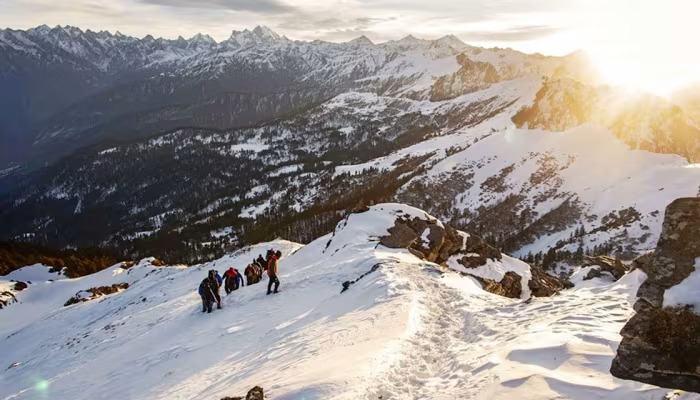
The Kedarkantha Trek is one of the most popular beginner treks in India, especially for those who want to experience snow.
- Ideal for first-time trekkers
- Well-marked forest trails
- Gradual altitude gain
- Short daily walking distances
- Rewarding summit with 360-degree mountain views
This trek is perfect if you want your first Himalayan trek to feel adventurous yet manageable.
Know More – Kedarkantha Trek Guide – Complete Itinerary, Cost, Best Time & Difficulty
Dayara Bugyal Trek
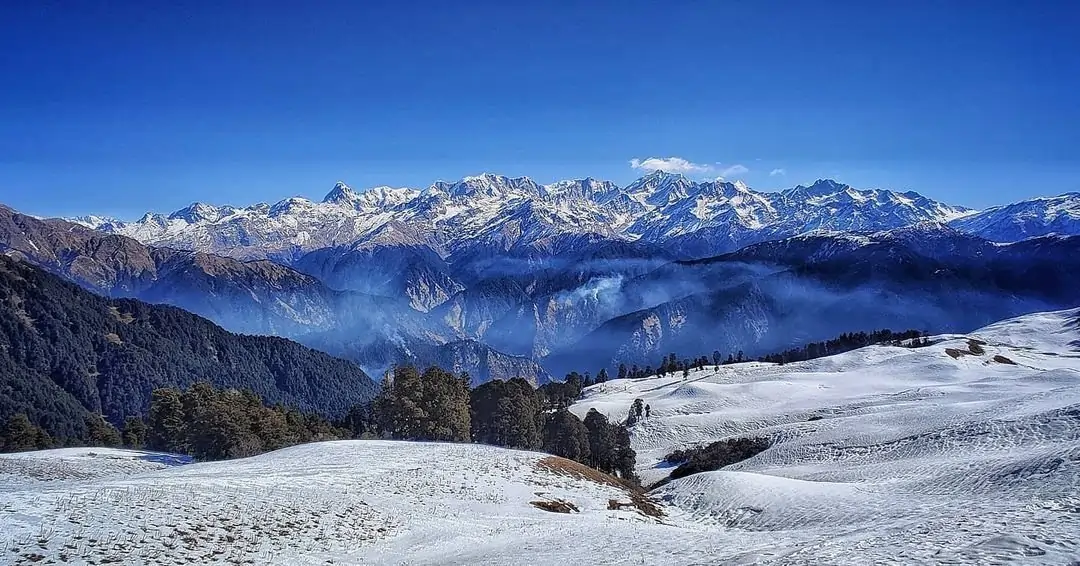
Dayara Bugyal is known for its vast open meadows and peaceful surroundings. It is one of the easiest Himalayan treks and is suitable for beginners of all age groups.
- Easy trail with gentle slopes
- Short trek duration
- Beautiful alpine meadows
- Suitable for families and kids
- Great option for a relaxed trekking experience
This trek is ideal if you want scenic beauty without tough climbs.
Nag Tibba Trek
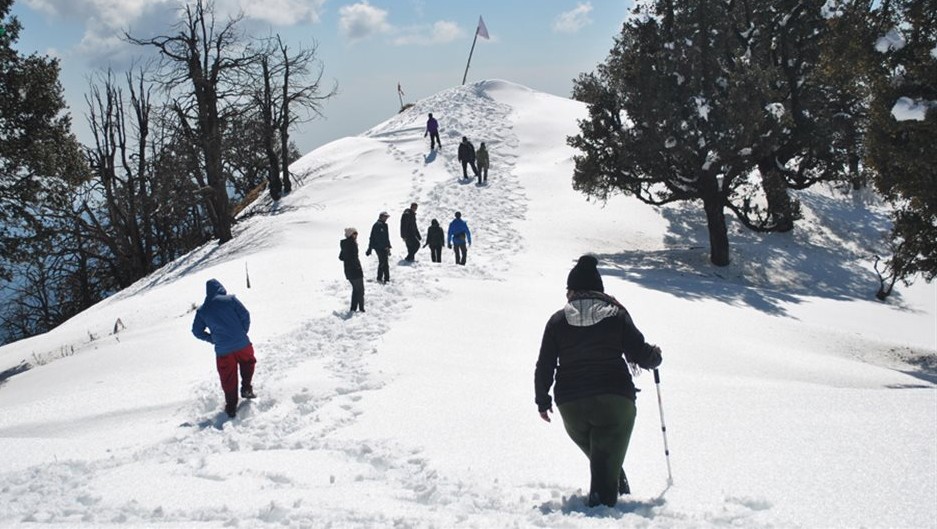
Nag Tibba is a short and easy trek, often called the best weekend trek for beginners.
- Can be completed in 2 days
- Easy access from Dehradun
- Low altitude trek
- Forest trails and mountain views
- Perfect for people with limited time
This trek is great for those who want to try trekking for the first time without committing many days.
Brahmatal Trek
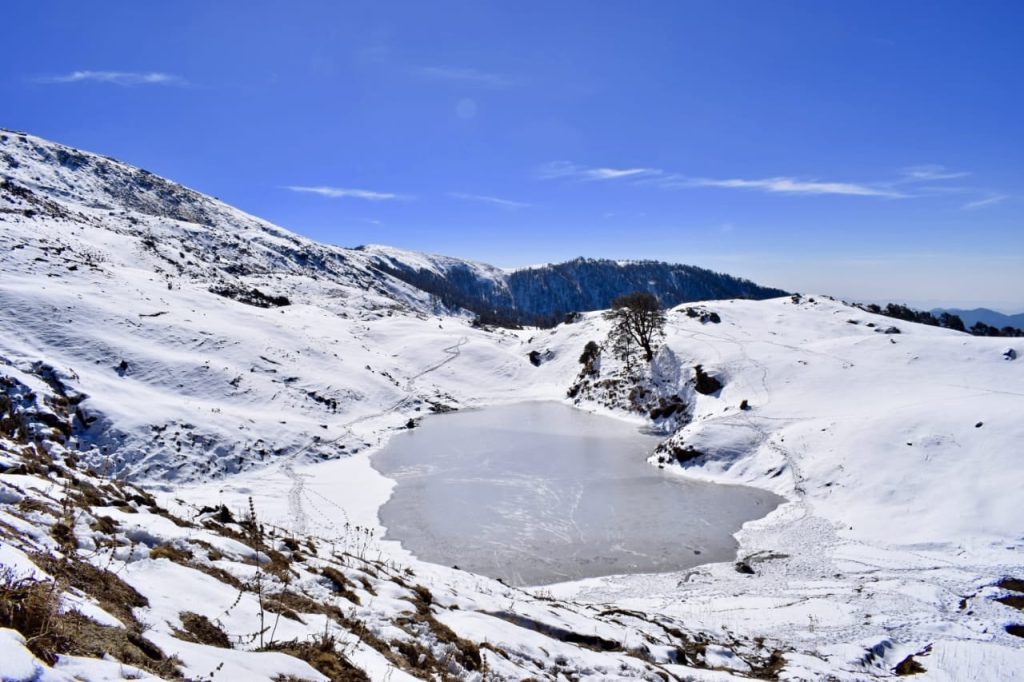
Brahmatal is a beginner-friendly winter trek that offers frozen lakes and beautiful ridge walks.
- Suitable for beginners with basic fitness
- Clear trails even in snow
- Amazing views of Trishul and Nanda Ghunti
- Less crowded compared to Kedarkantha
- A great step-up winter trek for beginners
This trek is perfect if you want a peaceful snow trek with stunning scenery.
Kuari Pass Trek
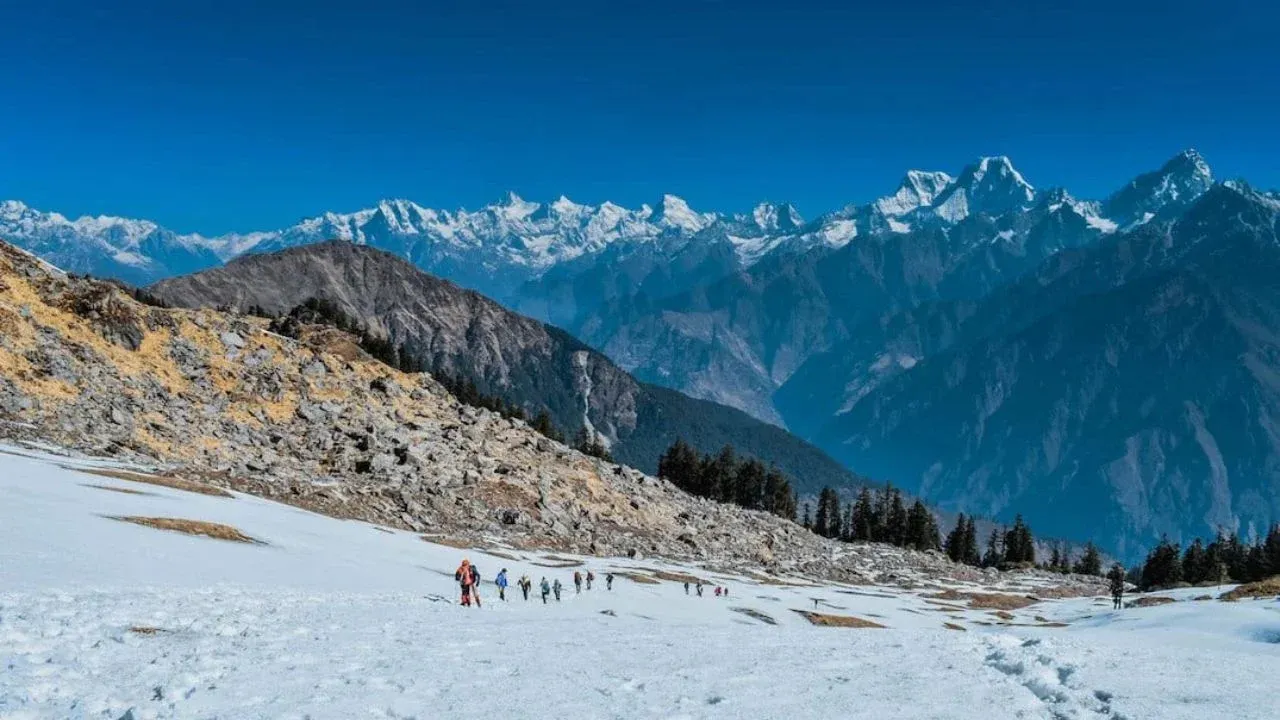
Kuari Pass is slightly longer than other beginner treks but still safe for first-timers who prepare well.
- Moderate difficulty but manageable
- Longer trekking days
- Famous for Himalayan peak views
- Ideal for beginners ready to challenge themselves
This trek is best for beginners who want to push their limits while staying within safe boundaries.
Best Time to Do Himalayan Treks for Beginners
Choosing the right time to trek is very important, especially if you are a beginner. Good weather, safe trails, and comfortable temperatures can make your first Himalayan trek enjoyable and stress-free. Some seasons are much better for beginners than others.
Summer (April to June) – Best for First-Time Trekkers
Summer is the safest and most comfortable season for beginners.
- Pleasant daytime temperatures
- Clear and dry trails
- Less risk of bad weather
- Easy camping conditions
This season is perfect for beginner treks like Dayara Bugyal, Nag Tibba, and Kuari Pass. If it’s your first trek, summer is the most recommended time.
Autumn (September to November) – Clear Views and Stable Weather
Autumn is another excellent season for beginner trekkers.
- Clear blue skies
- Stable weather
- Crisp mountain views
- Cool but comfortable temperatures
This season is great for beginners who want scenic views and peaceful trails without snow.
Winter (December to February) – For Confident Beginners
Winter treks are beautiful but slightly more challenging.
- Snow-covered trails
- Cold nights
- Extra gear required
Beginners can do winter treks like Kedarkantha and Brahmatal, but only with proper preparation, good fitness, and an experienced trek operator.
Monsoon (July to August) – Not Recommended for Beginners
Monsoon is the most difficult season for trekking.
- Slippery trails
- Risk of landslides
- Poor visibility
- Frequent route disruptions
Beginners should avoid trekking during this time for safety reasons.
Safety Tips Every Beginner Must Know
Trekking in the Himalayas is a beautiful experience, but safety should always come first, especially for beginners. Knowing a few basic safety rules can make your trek smooth, enjoyable, and stress-free. These simple tips will help you stay safe on the trail and enjoy your journey with confidence.
- Walk at Your Own Pace: Never try to match someone else’s speed. Walk slowly and steadily, take breaks when needed, and listen to your body. Trekking is not a race.
- Listen to Your Trek Leader: Your trek leader knows the trail, weather, and safety measures well. Always follow their instructions, especially during difficult sections or bad weather.
- Stay Hydrated and Eat Well: Drink water regularly, even if you don’t feel thirsty. Eat your meals on time to keep your energy levels stable throughout the trek.
- Dress in Proper Layers: Weather in the mountains changes quickly. Wear layers so you can add or remove clothes easily. Staying warm and dry is very important for safety.
- Do Not Ignore Early Discomfort: Headache, dizziness, nausea, or extreme tiredness should never be ignored. Inform your trek leader immediately if you feel unwell.
- Carry Only What You Need: A heavy backpack can slow you down and cause injuries. Pack light and carry only essentials.
- Respect Weather and Nature: If weather conditions worsen, trust the decision to wait or turn back. Safety is always more important than reaching the destination.
Why The Himalayan Expert Is Ideal for Beginners
Starting your first Himalayan trek can feel exciting but also a little uncertain. The Himalayan Expert understands this well and designs every trek keeping beginners in mind. From planning to execution, the focus is always on making the journey smooth, comfortable, and enjoyable for first-time trekkers. The itineraries are carefully planned with gradual climbs, proper rest breaks, and manageable daily distances. This allows beginners to adjust to the terrain and altitude without feeling rushed or exhausted. The pace of the trek is kept flexible so everyone can walk comfortably and enjoy the surroundings.
One of the biggest strengths of The Himalayan Expert is its team of experienced local guides. These guides know the trails, weather conditions, and safety measures inside out. More importantly, they are patient and supportive, always ready to help beginners with encouragement, tips, and guidance throughout the trek. Safety is given top priority on every trek. Beginners are briefed properly before the trek begins, and regular health checks are done on the trail. Medical kits, safety equipment, and clear protocols ensure that any issue is handled calmly and quickly.
Small group sizes also make a big difference. With fewer trekkers in a group, everyone gets personal attention, better support, and a more relaxed experience. Beginners never feel lost or pressured to keep up. From pre-trek guidance to on-ground support, communication is clear and simple. Beginners are helped at every stage, which builds confidence and makes their first Himalayan trek a truly positive and memorable experience.
Final Thoughts
Every trekker starts as a beginner, and the first experience often shapes how confident and comfortable you feel in the mountains. Choosing the right trek and the right team makes this journey not only safer but also far more enjoyable. With the right guidance, even a first Himalayan trek can feel rewarding and inspiring.
The Himalayan Expert focuses on creating a supportive and beginner-friendly environment where safety, comfort, and learning come first. Their thoughtful planning, experienced guides, and constant support help beginners enjoy the Himalayas without stress or fear. With the right start, your first trek can turn into a lifelong love for the mountains.
Frequently Asked Questions
Do I need prior trekking experience?
No. Beginner treks do not require any previous trekking experience. Basic fitness and a positive mindset are enough.
How fit do I need to be for a beginner trek?
You should be able to walk for 3–5 hours a day at a slow pace. Light preparation like walking or jogging before the trek helps a lot.
Can beginners do snow treks?
Yes. Snow treks like Kedarkantha and Brahmatal are suitable for beginners when done with proper guidance and preparation.
What is the best age to start trekking?
There is no fixed age. Many beginners start trekking in their teens or even later in life, as long as they are reasonably fit.
What if I feel tired or unwell during the trek?
You should inform your trek leader immediately. Treks are planned with flexibility, and your safety always comes first.
Is trekking suitable for families?
Yes. Easy treks like Dayara Bugyal are suitable for families and even older children when done with a reliable trekking team.
Why should beginners choose a professional trekking company?
A professional team ensures safety, proper planning, experienced guides, and support throughout the trek, making the experience stress-free for beginners.

Martha Grey
Ut sint posse sit, eum sumo diam ea. Liber consectetuer in mei, sea in imperdiet assueverit contentiones, an his cib.
October 26, 2018 at 11:35 am