
Explore Treks
Snow-capped peaks, mirror-like lakes, and meadows that stretch beyond imagination - Kashmir is where the Himalayas whisper their most beautiful stories.
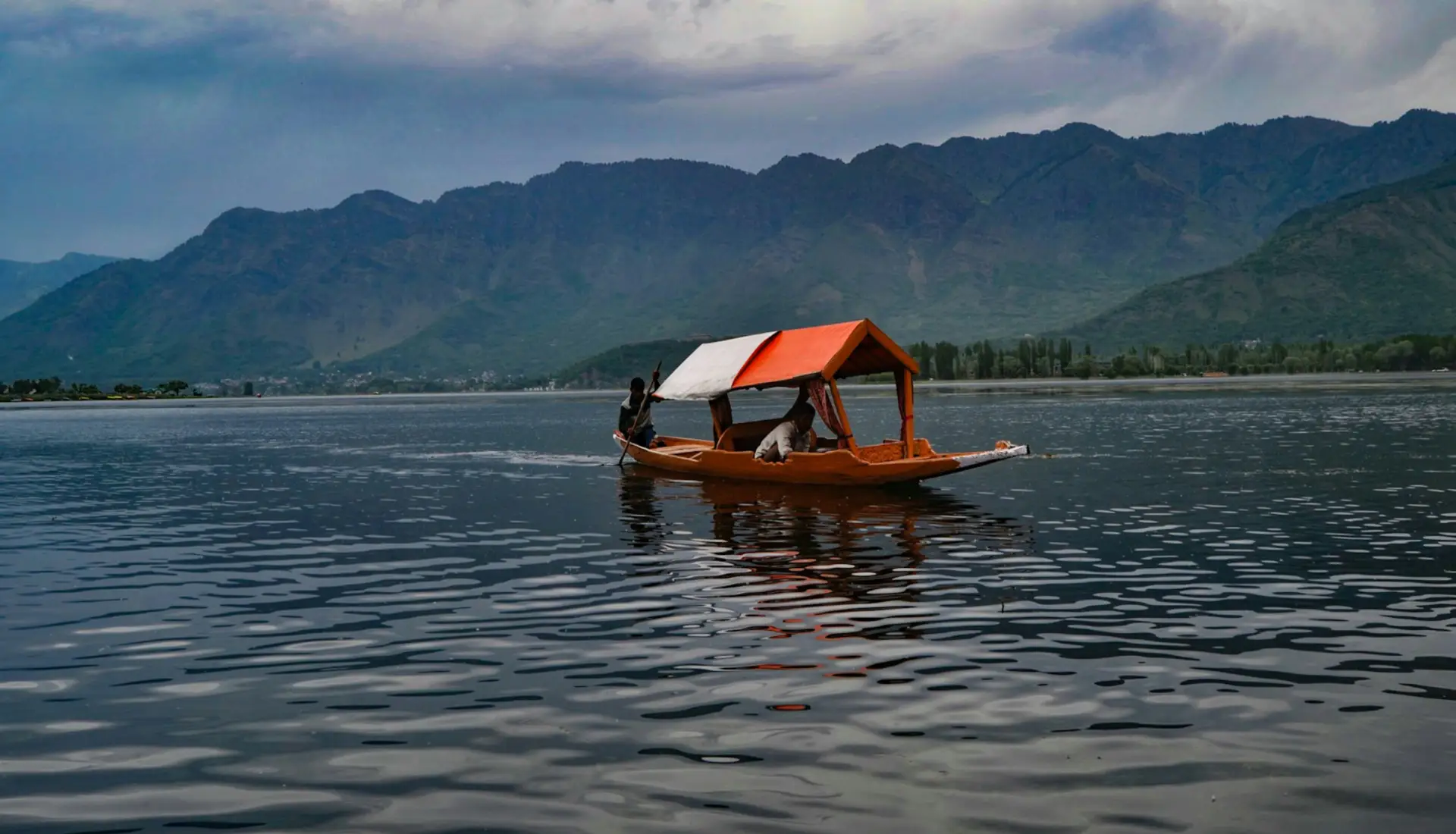
Jammu and Kashmir is often called the crown of the Indian Himalayas, and rightly so. It’s where snow-covered peaks meet lush green valleys, crystal-clear lakes mirror the sky, and every turn of the trail feels like a scene from a dream. From the calm waters of Dal Lake to the high passes of Ladakh, this region is a mix of peace, adventure, and raw beauty.
For trekkers, it’s nothing short of paradise. Trails like the Kashmir Great Lakes Trek, Tarsar Marsar, and Markha Valley offer experiences that blend nature, culture, and challenge in the most unforgettable way. Each route tells a different story — of mountain villages, wildflower meadows, and endless horizons. Whether you’re chasing the thrill of a glacier walk or looking for quiet moments in a meadow by a lake, Jammu and Kashmir promises a journey that stays with you long after you’ve left the mountains behind.
Key Regions Within Jammu & Kashmir
Jammu and Kashmir is a land of contrasts — from snow deserts to green valleys, each region offers a unique Himalayan experience. Together, they form the heart of India’s northern frontier, where nature, culture, and adventure meet in perfect balance.
Famous for its breathtaking beauty, Kashmir Valley is often described as heaven on earth. Rolling meadows, calm lakes, and pine-covered trails make it perfect for treks like Kashmir Great Lakes and Tarsar Marsar, where every step feels like walking through a postcard.
The Kashmir Valley is often called Paradise on Earth — and for good reason. Its landscapes are straight out of a painting:
- Srinagar with its shimmering Dal Lake and iconic houseboats
- Pahalgam and Aru Valley surrounded by pine forests and rolling meadows
- Sonmarg, the “Meadow of Gold,” leading to high-altitude passes
- Gulmarg, one of India’s top skiing destinations
- Hidden alpine treasures like Tarsar, Marsar, and Gangbal Lakes
Trekking routes such as the Kashmir Great Lakes Trek and Tarsar Marsar Trek showcase the valley’s true grandeur, glacial lakes reflecting the sky, wildflower meadows, and trails lined with shepherd huts.
High, remote, and deeply spiritual, Ladakh is the land of rugged mountains, ancient monasteries, and endless blue skies. Treks such as Markha Valley and Stok Kangri reveal the wild, dramatic side of the Himalayas, where challenge meets pure peace.
Ladakh lies to the north, where the Himalayas take on a whole new personality — rugged, silent, and surreal. Its cold desert landscapes, ancient monasteries, and endless skies make it one of the world’s most extraordinary regions.
- Iconic spots like Leh, Nubra Valley, and Pangong Tso Lake
- High mountain passes such as Khardung La and Chang La
- Monasteries like Hemis, Thiksey, and Diskit, perched on cliffs
- Treks such as the Markha Valley Trek and Stok Kangri Expedition, which test endurance and reward with unmatched views
Ladakh is also a hub for biking, camping, and cultural exploration, where every bend reveals both adventure and peace.
Known as the gateway to the Himalayas, Jammu is rich in temples, forests, and rolling foothills. It’s less about high-altitude adventure and more about scenic drives, sacred sites, and calm countryside that lead you gently toward the mountains beyond.
Often seen as the spiritual and cultural doorway to the Himalayas, Jammu offers a gentler but equally rich experience.
- The sacred Vaishno Devi Temple attracts millions of pilgrims each year
- Patnitop and Sanasar are perfect for short treks, paragliding, and family getaways
- Bhaderwah, known as “Mini Kashmir,” charms visitors with rolling meadows and tranquil streams
- Kishtwar National Park shelters rare Himalayan wildlife and dense deodar forests
Jammu is where the mountains begin, a beautiful starting point for explorers heading deeper into the northern ranges.
Best Time to Visit
The beauty of Jammu & Kashmir changes with every season, offering something unique all year round. From colorful alpine meadows to frozen rivers and snow peaks, each time of year tells a different story of the Himalayas.
- Summer (May to September) – The Season of Meadows and Lakes
- Winter (December to February) – The Frozen Wonderland
- Autumn (September to November) – Calm, Clear, and Cultural
- Monsoon (July to August) – Limited Access, Lush Beauty
Summer is the most popular time to explore the Himalayas of Jammu & Kashmir. The snow begins to melt by late May, opening access to high-altitude trails like the Kashmir Great Lakes, Tarsar Marsar, and Lidderwat treks.
During this period, temperatures range between 15°C and 25°C, creating ideal trekking conditions. Meadows burst into life with wildflowers, and alpine lakes reflect the blue summer sky, perfect for photography and camping.
- Best for: Trekking, camping, photography, family travel
- Top Treks: Kashmir Great Lakes, Tarsar Marsar, Aru–Lidderwat
- Average Temperature (Day): 15°C to 25°C
- Average Temperature (Night): 8°C to 15°C
Winter in Jammu & Kashmir transforms the landscape into a snow-covered paradise. For adventure lovers, this is the season of the famous Chadar Trek, where trekkers walk on the frozen Zanskar River — a once-in-a-lifetime experience.
Temperatures often fall below –10°C to –15°C, especially in Leh and Zanskar, so only well-prepared trekkers should attempt this season’s expeditions. Still, the quiet valleys, frozen waterfalls, and white peaks make it a dream for photographers and thrill-seekers.
- Best for: Winter treks, snow adventures, frozen landscapes
- Top Treks: Chadar Trek, Sham Valley Trek, Snow Trails of Sonmarg
- Average Temperature (Day): 0°C to 7°C
- Average Temperature (Night): –10°C to –2°C
After the summer rush, autumn brings crisp air and golden valleys. The skies are clearer, making it perfect for high-altitude visibility and mountain photography. This is also the time when local festivals like Ladakh Harvest Festival and Kashmir’s saffron bloom paint the region with color and culture.
- Best for: Cultural travel, photography, light trekking
- Top Attractions: Golden Chinar trees, saffron blooms, and crystal-clear mountain views make autumn in Jammu & Kashmir calm, colorful, and unforgettable.
- Average Temperature (Day): 10°C to 20°C
- Average Temperature (Night): 0°C to 8°C
While Kashmir doesn’t receive heavy rainfall like other parts of India, some regions experience intermittent showers. The trails become greener and more scenic, but landslides can occasionally affect road travel. It’s a quieter time for travelers who prefer solitude over crowds.
- Best for: Offbeat exploration, solitude seekers
- Top Attractions: Lush green valleys, misty meadows, and quieter trails make the monsoon season in Jammu & Kashmir a serene escape for solitude seekers.
- Tip: Always check road and weather updates before planning travel during this period.
- Average Temperature (Day): 17°C to 23°C
- Average Temperature (Night): 10°C to 14°C
Why Explore Jammu and Kashmir
Jammu and Kashmir is often called the Crown of the Indian Himalayas, and rightly so. From snow-covered peaks to vast alpine meadows, this region holds some of the most stunning landscapes in the world. It covers an area of over 222,000 square kilometers, with altitudes ranging from 1,000 to more than 7,000 meters, offering something for every kind of traveler, from peaceful nature walks to high-altitude expeditions.
What makes Jammu and Kashmir truly special is the diversity of its beauty. The Kashmir Valley blooms with tulips in spring and turns golden with chinar leaves in autumn, while Ladakh dazzles with its cold desert, turquoise lakes, and ancient monasteries. You can camp beside mirror-like lakes such as Tarsar, Marsar, and Gangbal, or trek along world-famous routes like the Kashmir Great Lakes and Markha Valley Trek, which attract thousands of trekkers from India and around the world each year.
Beyond its natural beauty, the region’s culture adds another layer to the experience. Warm hospitality, traditional wooden homes, and local dishes like Kahwa tea and Rogan Josh make every journey here feel personal and unforgettable. Jammu and Kashmir is also one of India’s safest and fastest-growing adventure travel destinations, welcoming over 1.5 million tourists annually in recent years.
Whether you’re looking for adventure, peace, or a deeper connection with nature, Jammu and Kashmir offers it all – a place where every sunrise over the mountains feels like a new discovery.
Travel Tips & Essentials
Trekking in Jammu & Kashmir is an experience like no other — but the Himalayas demand respect and preparation. Whether you’re heading for the Kashmir Great Lakes, Tarsar Marsar, or Markha Valley, a few smart choices can make your journey smoother, safer, and more memorable.
1) Getting There
Most treks in Kashmir begin from Srinagar, which is connected by daily flights from Delhi, Mumbai, and other major cities. It takes about 2 hours by air from Delhi to Srinagar. From there, scenic drives lead to popular base camps like Sonmarg (for Great Lakes) or Aru Valley (for Tarsar Marsar).
2) Best Time to Visit
The best time for trekking in Jammu & Kashmir is between June and September. During these months, daytime temperatures hover around 15–20°C, and the trails come alive with wildflowers, green meadows, and clear skies. For winter adventures like the Chadar Trek, January and February are ideal when the Zanskar River freezes completely.
3) Altitude & Acclimatization
Most treks in Kashmir range between 8,000 to 13,000 feet. At such heights, oxygen levels drop by nearly 30%, so it’s important to ascend gradually and stay hydrated. Always spend at least one full day in Srinagar before starting your trek to help your body adjust.
4) Fitness & Preparation
You don’t need to be an athlete, but some preparation goes a long way. Start walking 4–5 km a day and include light jogging or stair climbs a few weeks before your trek. A strong pair of lungs and a steady pace are your best assets in the Himalayas.
5) What to Pack
Layering is key. Temperatures can swing from 25°C during the day to below 5°C at night.
Here’s a quick checklist:
- Trekking shoes with good grip
- Waterproof jacket and warm layers
- Gloves, cap, and sunglasses
- Personal medicines and sunscreen (SPF 50+)
- Reusable water bottle and high-energy snacks
- Power bank (electricity is rare on higher camps)
6) Staying Connected
Mobile networks like Jio and BSNL work best in higher regions, but expect limited coverage beyond base camps. Keep your loved ones informed in advance and use local guides’ satellite phones in emergencies.
7) Respect Nature & Culture
Kashmir’s beauty lies in its simplicity. Always carry your waste back, avoid plastic bottles, and greet locals with a friendly “As-salaam-alaikum.” Remember, sustainable travel isn’t a trend here, it’s a way of survival in fragile mountain ecosystems.
Gallery


Responsible Travel Note
The Himalayas are more than mountains, they are living, breathing ecosystems that depend on us to stay pure. At The Himalayan Expert, we believe that every trekker plays a role in protecting this fragile paradise.
When exploring Jammu & Kashmir, follow the Leave No Trace principle: carry your waste back, use refillable bottles, and avoid single-use plastics. Support local homestays and buy from village shops, your small choices directly help mountain families earn a living.
We also limit group sizes, employ local guides, and ensure our campsites leave zero environmental footprint. Together, we can keep the Himalayas clean, calm, and as timeless as the stories they hold.
Ready to discover the beauty of Jammu & Kashmir?
Step into the heart of the Himalayas with journeys designed around you. Whether you dream of trekking through alpine lakes, camping in wildflower meadows, or witnessing Kashmir’s timeless valleys, our team will help you make it real — safely, sustainably, and beautifully.
Frequently Asked Questions
What are the best treks in Jammu & Kashmir?
Some of the most popular treks in this region are the Kashmir Great Lakes Trek, Tarsar Marsar Trek, Aru–Lidderwat Trail, and Chadar Trek (Zanskar River). These treks are known for their alpine lakes, wildflower meadows, and scenic campsites surrounded by snow peaks.
What is the best time to trek in Jammu & Kashmir?
The ideal trekking season runs from June to September, when the weather is pleasant, skies are clear, and trails are open. For the Chadar Trek, visit between January and February when the Zanskar River is completely frozen.
Is it safe to trek in Jammu & Kashmir?
Yes, most trekking zones in Kashmir are completely safe and regularly visited by groups from across India. All expeditions with The Himalayan Expert are guided by certified professionals and monitored for weather and route safety.
Do I need special permits to trek in Jammu & Kashmir?
For most treks, only a basic ID verification and forest entry permit are needed. Some routes near the border or high passes may require additional permission, which our team arranges for you in advance.
What should I pack for a Kashmir trek?
Carry warm, layered clothing, waterproof jackets, good trekking shoes, sunglasses, and sunscreen. Nights can drop below 5°C, even in summer. Don’t forget reusable bottles and energy snacks — small things make a big difference in the mountains.
How difficult are the treks in Jammu & Kashmir?
Most treks like Tarsar Marsar or Great Lakes are moderate and suitable for fit beginners. Higher-altitude routes like Chadar Trek or Markha Valley need good fitness and prior experience.
Can solo travelers join your treks?
Absolutely! Many solo trekkers join our small groups for both safety and companionship. You’ll meet like-minded explorers and share the trail together.